THE GAP
Two seconds, at least
The Highway Code asks for at least a two-second gap on high-speed roads, at least doubled on wet roads and up to ten times greater on ice.
How to count it doodlespeed
KEEP BACKtwo seconds or more
Before the brakes even bite, the car keeps rolling while you react. The Highway Code's stopping distances show how quickly that gap grows with speed, and why it says a limit is a maximum, not a target.
Updated
THE SHORT ANSWER
Stopping distance is thinking distance plus braking distance.
Both grow as speed goes up.
THE GAP
The Highway Code asks for at least a two-second gap on high-speed roads, at least doubled on wet roads and up to ten times greater on ice.
How to count itTHE DISTANCE
Typical stopping distance is 12 metres at 20 mph and 23 metres at 30 mph. At 70 mph it is 96 metres.
Check a speed20 MPH
In the year after Wales made 20 mph the default, casualties on 20 and 30 mph roads fell by 26.2%, its monitoring report says.
See the numbersA QUICK SPEED CHECK
Pick a speed to see the Highway Code's typical stopping distance for a car on a dry road. The bar shows how long the stop is.
Typical figures for a car in good conditions. Real distances are longer in the wet, on ice, with worn tyres or a tired or distracted driver.
TWO NUMBERS WORTH KNOWING
One figure from the Highway Code,
one from Wales's 20 mph monitoring.
96 m
Typical stopping distance at 70 mph
21 metres of thinking distance and 75 metres of braking distance. At 20 mph the whole stop takes 12 metres.
STOPPING · HIGHWAY CODE
−26.2%
Casualties on 20 and 30 mph roads, first year
Wales made 20 mph the default on 17 September 2023. Over the next 12 months total casualties fell 11.8%, while those on roads over 40 mph rose 4.2%.
20 MPH · TRANSPORT FOR WALES
Transport for Wales also found 85th percentile speeds on the monitored 20 mph roads fell from 32.9 mph to 29.5 mph. Its report was published on 15 July 2025.
FOUR HABITS TO TRY
None of these needs a new car. They come straight from the Highway Code's advice on speed and following distance.
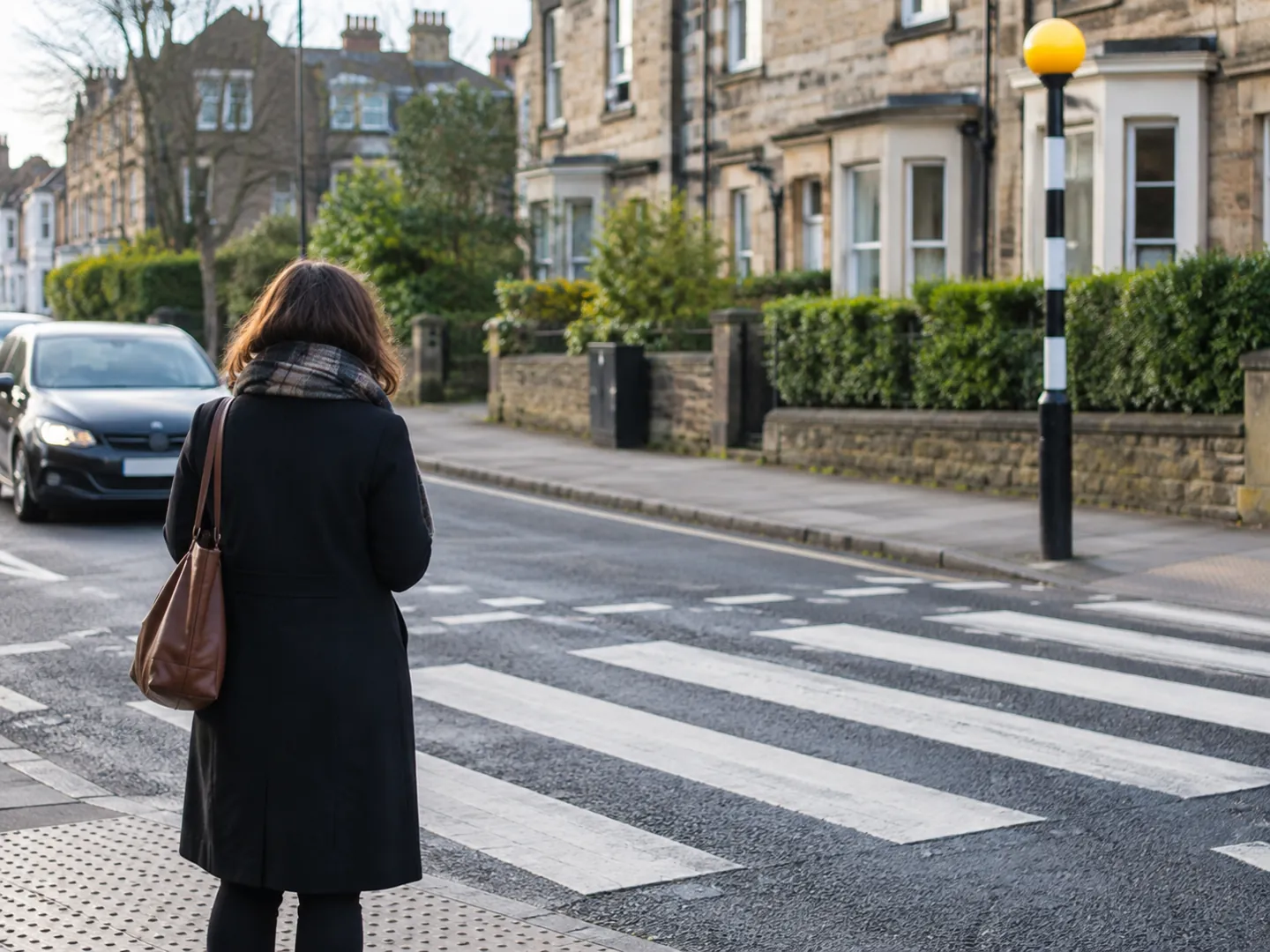
When the car ahead passes a fixed point such as a lamp post, count. If you reach the point before two seconds are up, drop back.
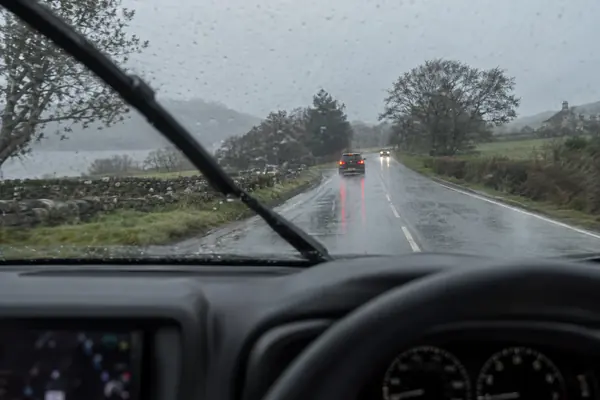
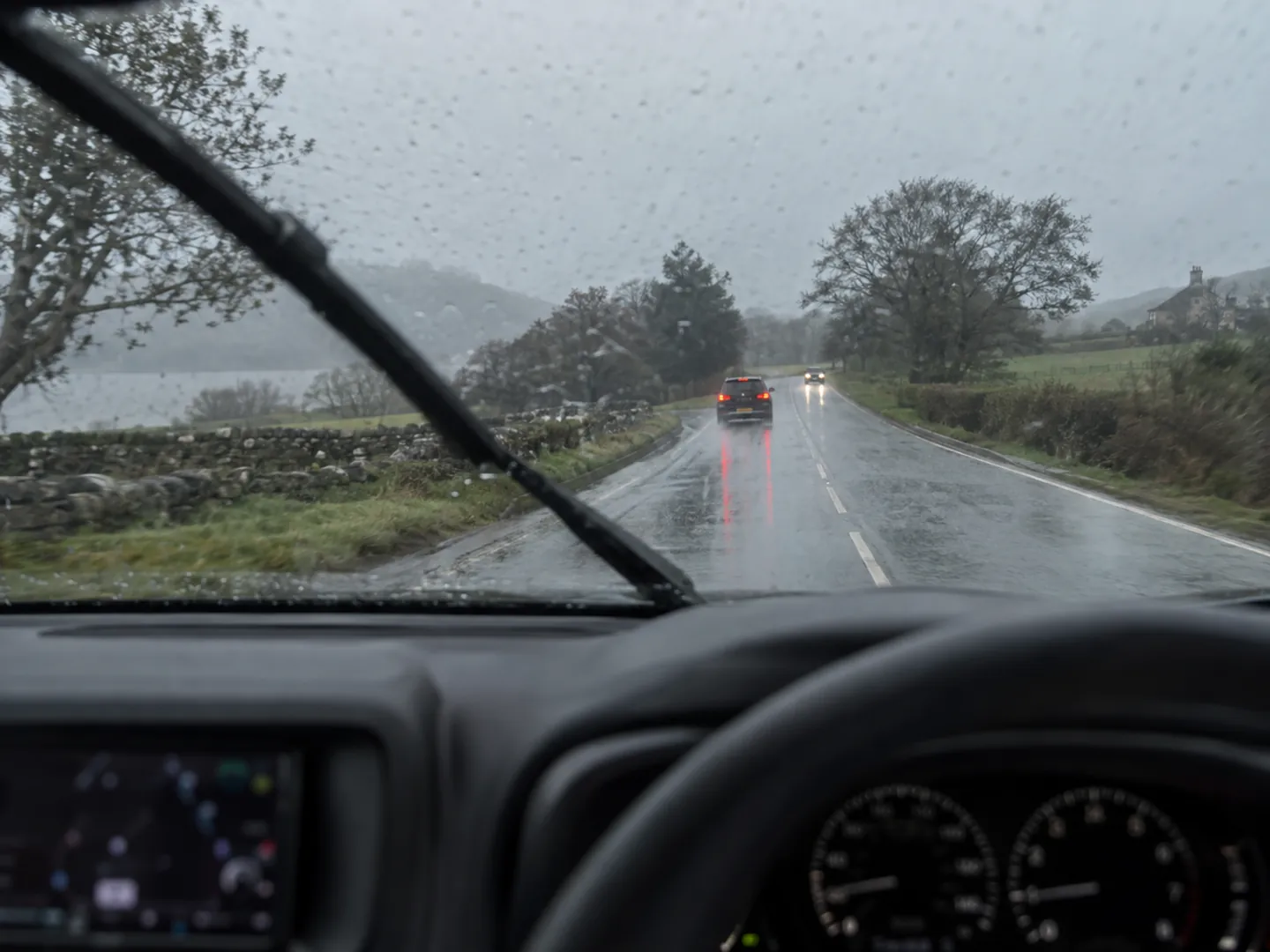
The Highway Code says the gap should be at least doubled on wet roads.
On icy roads the gap should be up to ten times greater than in the dry.
The speed limit is the absolute maximum. The Code says it is often not appropriate or safe to drive at it.
THE 20 MPH DEBATE
A Department for Transport study of twelve 20 mph schemes in England, published in November 2018, found only a small fall in median speed, of less than 1 mph, and not enough evidence to conclude collisions and casualties had changed significantly.
Wales went further, making 20 mph the default on most residential roads in 2023. Transport for Wales reported mean speeds on monitored 20 mph through roads fell by an average of 3.8 mph, alongside the fall in casualties.
Questions
The Highway Code's typical figure for a car is 23 metres, made up of 9 metres of thinking distance and 14 metres of braking distance.
The Highway Code asks drivers to leave at least a two-second gap behind the vehicle in front on high-speed roads and in tunnels with reduced visibility. It should be at least doubled on wet roads.
In the typical figures, braking distance is 6 metres at 20 mph, 24 metres at 40 mph and 75 metres at 70 mph, so doubling the speed roughly quadruples the braking part of the stop.
Not always. The Highway Code says the limit is the absolute maximum and does not mean it is safe to drive at that speed whatever the conditions, and that speed limits should not be treated as a target.
It depends how they are done. A 2018 DfT study of twelve English schemes found median speeds fell by less than 1 mph. In Wales, casualties on 20 and 30 mph roads fell 26.2% in the first year of the default limit.
ABOUT THIS NAME
doodlespeed.com is part of the DoodleSale portfolio. It isn't in an auction right now, but you can ask about leasing it.